LeadershipWatch
A Popular Source of Inspiration for Leaders all over the World

Leading Innovation: The One Important Aspect Executives Tend to Underestimate

Inventing new and better products, technologies, and business models. Experimenting. Realizing smart breakthroughs. We all know that innovation is crucial to stay competitive in today’s business world. Much has been written on how to boost innovation, but do executive leaders pay enough attention to the one important aspect needed for new ideas to bear fruit: creating a culture of transparency and openness in which people dare to share successes as well as mistakes?
Here is what Tesla Motors CEO Elon Musk says about it:
‘Companies are often too conservative. They want to innovate, but create the wrong conditions, leading to stagnation. In many organizations, people do not dare to think big and take the necessary risks. If they fail, they get punished heavily, and lose their jobs or bonuses. This leads to risk averse behavior.’ (Elon Musk quoted in Dutch Managament Team Magazine, November 2013)
‘Companies are often too conservative. They want to innovate, but create the wrong conditions, leading to stagnation.’ – Elon Musk
Asked how he ensured his companies (Tesla Motors, Space X, Solar City) remained innovative, and what he would recommend to other people leading innovation, the 42-year old CEO explained:
‘My philosophy is: reward people who come up with daring ideas that work, and only ‘punish’ them lightly if they fail (…). But I expect my people to bring me the bad news immediately and clearly. Everybody makes mistakes, but somebody who doesn’t tell me about it, wants to solve things on his/her own and lets the situation spiral out of control: that person is in trouble.’
What can we take from Musk’s experience? When it comes to creating an environment where innovation thrives, what can leaders do to encourage that culture of transparency and openness?
1) Adjust your communication style to stimulate openness
There is a direct relationship between your communication style and the openness the other person will show. In this earlier article you find useful advice on which specific communication skills stimulate openness (the article refers to a situation with a cross-cultural team, but the communication tips are also applicable in other situations).
2) Create an environment where people dare to make, and share mistakes and learning experiences
Read here specific tips on how to break through the fear of mistakes.
Musk’s advice made me think of something I read the other day: the story of explorer Henry Hudson’s first journey as a ship commander in 1607. Europe’s growth back then was running out of steam, much as it is today. The English Muscovy Company, dreaming of new horizons, hired Henry Hudson to find a northern trading route to Asia. Hudson, in for an adventure, tried something nobody had ever tried before. Instead of sailing northwest (via Canada) or northeast (around Russia), Hudson steered his 25-meter sailing ship straight up north, in the direction of the North Pole. Hudson and his crew of twelve (amongst which his own son John) battled their way through mist and ice. They lived off rotten bear meat, survived heavy storms and a head-on collision with a whale. Hudson’s first undertaking was, in the words of Russell Shorto who wrote about it in his book ‘The island at the center of the world’, ‘completely insane.’ As insane as some of the decisions Elon Musk took as he set out to build Tesla Motors (premium electric cars) and Space X (quickly reusable rocket technology that could be used to colonize other planets)? You tell me.
How did the Muscovy Company react when Hudson returned empty-handed, reporting that it had all been for nothing, that there was no passage via this route to be found?
Did they yell at Hudson for not living up to expectations?
Did they fire him?
Did they consider the trip to be a total loss?
Far from it! Hudson had seen numerous whales in the region (this opens up new hunting possibilities, they thought). One route could now be crossed of the list of possible passages to Asia (progress, they thought). The Muscovy Company listened to the details of Hudson’s stories, saw the trip as a success, and stimulated Hudson to have another go at it.
Henry Hudson, by the way, ended up discovering the fertile grounds that would become New York.
Photo: Robert Scoble/Flickr (Creative Commons) If you want to receive upcoming LeadershipWatch articles and news in your mailbox, then simply register at the top of this page. Your personal information will be kept strictly confidential.Hanneke is Research Partner and Writer at HRS Business Transformation Services, and author of several books. Her research focuses on how leaders create success by increasing the quality and effectiveness of people collaboration, particularly in cross-cultural environments. She has a special interest in China and East-West relations. Her work is a constant source of refinement and enrichment for the HRS alignment methodology. Find out more about Hanneke and HRS services. If you would like to invite us to your organization, contact us here.
Mergers and Acquisitions: To Create Value We Need to Focus on People Aspects

Let me make a bold statement: When it comes to mergers & acquisitions we spend approximately 75% of our energy in the pre-deal phase on financial, legal, and technical aspects to come to a deal, but when it comes to the actual post-deal value creation it turns out that approximately 75% of our energy is taken by people aspects. This tells us something, doesn’t it? It is no secret that many mergers and acquisitions, a whopping 70 percent researchers claims, fail to achieve their promised value. And when that happens, the costs can be painfully clear: synergies fail to materialize, morale drops, people start heading for the exits. If we really want to create long-term value out of mergers and acquisitions we need to pay more attention to people aspects in the pre-deal phase.
A couple of days ago, I had a pleasant chat with the executive leader of a multinational company, which had recently acquired, and successfully integrated, another company. What preparatory action, I asked this executive, did he take to maximize the chance that this investment would live up to, even outperform, initial expectations? What aspects, in addition to choosing the right company and doing the necessary legal financial homework (due diligence), did he and his team pay close attention to? What, in his view, was the secret to a successful post-merger integration?
Here is what he said.
“The secret words are ‘people’ and ‘together’: creating something TOGETHER that will be, quite literally, more valuable than what existed until now. In my very first meeting with the CEO of the company we were looking to acquire I asked what the ground rules would be of what we wanted to achieve together. They thought we had a pre-cooked plan. But we were aiming for the best for all people concerned, not only for our people or for theirs. We worked together on this list of ground rules, paying close attention to people aspects within both organizations.“
Smart leaders know that focusing only on M&A’s financial, legal, and operational aspects does not guarantee success, and can even destroy value. Paying attention to the people and related cultural (corporate cultures and national cultures) aspects early in the process pays (read here why cultural alignment is a prerequisite for value creation).
What people aspects should we specifically pay attention to in the pre-deal phase?
Two main aspects stick out:
1. What will the new top team look like?
Create clarity about who will join the new top team. At the moment the deal is closed this should be clear to everybody. The new top team will play a crucial role in the post-merger integration phase. It will be the initiator and facilitator of the integration process, set out the direction and short-term focus, stimulate synergies, and ensures stability and confidence. Lack of clarity about the top team will not only lead to loss of time in the integration phase, it will create confusion, doubt, and apathy throughout the organization. It is an important and often mentioned reason for integration failures.
2. Know which people issues could cause integration problems
What are the specific mechanisms that drive people performance and collaboration within both organizations? What are the core values that drive people behavior? What do people expect from the merger? What are the key elements of the culture and corporate identity? Who is considered as key talent within both companies? At what points do all these elements match, or not? What are crucial differences? What are potential consequences if we do not address these aspects effectively? Starting to think about these questions when the integration starts is too late! The C-suite needs to be aware of these potential risks before the deal is closed. Not necessarily because it could be a deal blocker, but to be prepared for it and ready to deal with it as soon as the integration starts.
I hear you thinking: the heat of deal making precludes the luxury of an extended effort to assess soft people variables. How can this be done in a phase where confidentiality and non-disclosure agreements are essential? True, but there are ways to do this! A specific and focused approach that respects confidentiality can lead to a very insightful and important overview of potential integration risks. A report that is crucial input for the C-suite.
A thought to conclude. Major agreements freeing trade and investment across continents are currently being negotiated, or have recently been concluded. To name but a few: the Transatlantic Trade and Investment Partnership (TTIP); the Trans Pacific Partnership Agreement (TTP); the EU-Canada Free Trade Agreement, … The EU also just launched investment negotiations with China. If paying attention to the people and cross-cultural aspects of mergers & acquisitions is important now, imagine its importance in the future!
Let us know what your ideas are about people aspects in M&A. Leave a comment!
If you want to know more about how to address people aspects in mergers and acquisitions, check out our services page or contact us.
Join me in London at the MERGERS & ACQUISITIONS DUE DILIGENCE CONFERENCE on 17–18 July 2014 where I speak about this topic.
___________________
Aad is a global business advisor, change leader, executive team facilitator, leadership coach, and frequently asked keynote speaker. He is founder and managing partner at HRS Business Transformation Services where he works with senior executives and leadership teams globally in three key domains: ‘leading complex change’, ‘cross-cultural leadership’, and ‘post-merger integration’. Find out more about Aad and HRS’ services. If you would like to invite Aad to your organization contact us.
Cross-Cultural Leadership: Why Learning Chinese Business Etiquette is Not Enough
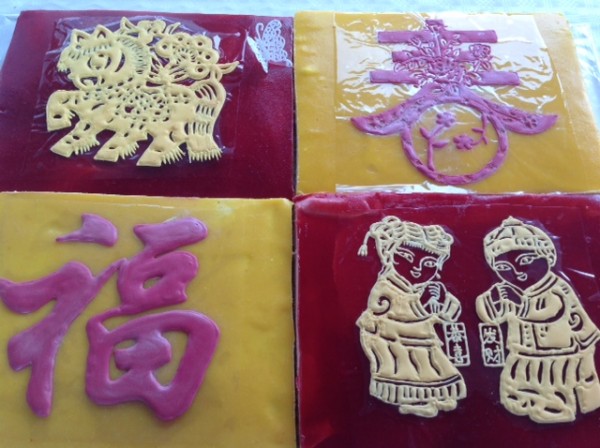
Do you want to be successful in doing business with the Chinese? Do you want to build lasting relationships? Then understand why learning Chinese business etiquette will be important, but not enough.
Your company is looking for a Chinese business partner, and you and your team are about to enter an important meeting. You have only met your would-be partner once, and are eager to make the meeting a success. You prepared yourself by taking a crash course in Mandarin (though you know your counterpart speaks perfect English). You have also learned some vital do’s and don’ts, for instance:
- Chinese surnames come first, not last;
- Pay close attention to hierarchy;
- Accept business cards with both hands and read them carefully;
- If you bring gifts wrap them in bright red, NOT in white (white signals death and mourning);
- And never, ever blow your nose in public.
Ready, you think? Only if you realize that learning Chinese business etiquette, though important, is not enough to build successful longer-term relationships with Chinese business partners, suppliers, employees or customers.
Western executives and managers need to understand that, when it comes to creating effective work relationships with people from China (and generally from Asian countries with cultures very different from our own), more is needed than business acumen and awareness of cultural differences.
I have talked to many China veterans, and what they are telling me is this. Working successfully with the Chinese has everything to do with the WILL to go beyond customs and habits, the cultural do’s and don’ts, and focus on the people behind those habits. It is about the will to understand the deeper level of their culture. It is about listening to learn, about asking the right questions and formulating appropriate responses (indirectly is sometimes better than directly). It is about understanding what concepts like ‘losing face’ really mean (how to avoid making people lose face). It is about building mutual trust, despite cultural differences (how to build mutual trust).
Easy? No. Rewarding? You bet.
Does all this mean that, to make your dealings with the Chinese a success, you should forget about your own cultural identity and values? It doesn’t!
Successful cross-cultural leaders build effective relationships across cultures precisely because they don’t try to be somebody else. Because they are transparent about themselves and their cultural background. Being transparent about your own cultural traditions and values, being transparent about the differences you experience between your own culture and identity, and the other person’s culture and identity, will most likely increase respect and trust between you. It will help you to build stronger and more effective relationships.
Author and former corporate executive Scott Seligman captures this delicate balancing act like this: ‘On the one hand, it is about understanding and accommodating people with unfamiliar patterns of interaction that may seem, at times, to be gracious, strange, funny, obsequious, indirect, refreshing, counterproductive, or downright maddening. On the other hand, it is also about being yourself: being true to your own cultural traditions and values, and behaving in accordance with the best of these. Such balance is difficult, but your success with the Chinese requires that you strive for it, since you won’t achieve much by tilting too far to either side.’ (source: Scott Seligman, Chinese Business Etiquette, p. 258)
Thoughts?

Click here to check out our Cross-Cultural Leadership services
3 Rules of Thumb for Building Smart Cross-Company Networks

How well do people in your company work together across organizational units? Is your company structure rather hierarchical and formal or does it stimulate people to create cross-company networks? Are people able to collaborate effectively with people working in different company divisions, in other countries with different cultures? Are people willing to share their expertise and information with colleagues in other units? ‘New products will increasingly be the result of co-creation processes,’ the CEO of a leading chemicals firm recently said to me. ‘What we really need is social innovation. Not only innovation in a technical sense, but innovation of our organization. How to organize work in a flexible way? How to stimulate cross-unit collaboration that brings tangible results? There is no doubt in my mind that we need better collaboration across company units, across different companies even. But organizing this is easier said than done.’
Building cross-company networks among people that cut across formal lines of reporting, can be a useful way to stimulate effective transfer of best practices and technologies, agility, innovative thinking – all of which increasingly determine your company’s competitiveness in this era of relentless change. (Read more about the power of cross-organizational networks).
This not to say, however, that hierarchical structures and efficiency-based management processes have outlived their usefulness. Nor do I think that cross-company networks are always a good thing. Networking with no intelligent strategy behind it can undermine performance. The challenge is, therefore, to complement the good management processes in your company with result-based cross-company networks. Networks that add value, because benefits outweigh the costs.
How to build effective cross-unit networks in your organization
There is no golden rule, as the specific barriers preventing people from collaborating across borders (divisions, countries, cultures) differ from company to company. But I have helped executive leaders to increase the quality and effectiveness of cross-company collaboration for many years now. When it comes to building effective cross-company networks, I have found 3 rules of thumb particularly useful:
1. Map existing networks first
Every organization has its own informal networks. Make sure you understand where they are, who is in it, how they operate, and what their outcome is. Creating a cross-unit network map is a good way to start. If you know where the valuable and the weak spots are, you can tailor your interventions – instead of shooting in the dark. Focus on the networks that add value, and eliminate the networks that do not.
2. Focus on diversity in relationships, not on number of connections
Remember why diversity – diversity in age, personalities, experience, technological skills, etc. – is good for business teams (read more about the value of diversity)? Research shows that it is diversity in cross-company networks that leads to faster and better innovation (source: Morton Hansen, Collaboration, p. 127). So build diversity, not size. This requires special attention of leaders. In many situations this diversity in relationships means that people are pushed outside of their comfort zones. People maybe need to be stimulated to engage in relationships that do not feel natural at the beginning. The quality of the collaboration probably will not be high at once, but will need to be developed and coached.
3. Tackle people alignment issues head-on
‘I wish we had done this earlier.’ I often hear it after team alignment sessions, when cross-unit teams have experienced a deeper level of understanding, openness and trust, resulting in mutual commitment, a higher quality of collaboration and more effective execution. Here is an easy list of questions that can help you clarify whether you are dealing, in cross-company teams, with genuine commitment, or compliance. Tackling people aligment issues head-on is important. In my experience, a focused and targeted approach to support and coach people at building effective cross-company relationships will facilitate effective networks, and will save lots of time and money later on.
Thoughts?
Co-author: Hanneke Siebelink We help executives, leaders and their teams to increase the adaptability of their organizations while maintaining focus. By bringing the quality and effectiveness of collaboration to a higher level, within and across company borders. By creating stronger alignment within and between teams on vision and strategy. Implementation will be faster and more effective. Find our services. Feel free to contact us! Photo: 360around/Flickr (Creative Commons)Aad is a global business advisor, change leader, senior executive team facilitator, leadership coach, and frequently asked keynote speaker. He is founder and managing partner at HRS Business Transformation Services where he works with executives and leadership teams globally in three key domains: ‘leading complex change’, ‘cross-cultural leadership’, and ‘post-merger integration’. Find out more about Aad and HRS’ services. If you would like to invite Aad to your organization contact us.
Leading Change: 3 Misconceptions about Successful Collaboration

Are you leading change? Do you believe in the importance of a collaborative culture in your company? Do you want to encourage successful collaboration between people and teams across organization units, even across companies?
Let me share a few considerations, which might help to avoid frequently occurring misunderstandings. Pitfalls in our thinking that create a false conception of what good collaboration is! I invite you to take a moment to reflect on the following three important misconceptions about successful collaboration.
1) Vision and strategy come first and collaboration is an outcome
The dominant reasoning in this misconception is that successful collaboration is an outcome of a strong vision and strategy coming from the top. If executive leaders at the top are capable of defining a strong and compelling vision and strategy, people will follow and successful collaboration will be a logical result. This misconception exists more often than we think. I regularly witness leaders having this reflex, particularly in organizations facing complex changes.
But it is false! The most powerful visions and strategies are built on involvement and collaboration between a broad range of people early in the process. Successful organizations handle change faster and more effectively, because they focus on establishing a collaborative approach to define the new direction and destination (vision), and the best way to get there (strategy). Collaborating successfully to define a collectively shared vision and focused strategy that people commit to! It is important for leaders to find the right way to stimulate this.
2) Successful collaboration means everybody needs to have a say
“People always had a good reason for meeting. You’re sharing best practices. You’re having good conversations with like-minded people. But increasingly, we found that people were flying around the world and simply sharing ideas without always having a focus on the bottom line.” (Executive leader quoted by Morten Hansen in his excellent book ‘Collaboration’, p.12)
Do you recognize this? Mistaking extensive, crowded and long meetings for successful collaboration. Yes, sharing ideas, experiences and expertise across the organization is very important. But successful collaboration implies efficient and effective decision-making, and successful execution of these decisions! The goal of collaboration is not collaboration itself, but results (innovation, revenue growth, …)
Successful leaders stimulate collaboration that is focused on efficient decision-making and on fast and effective execution of these decisions. They make sure their organization does not get infected by ‘committee-fatigue’, which will destroy the positive energy and drive of people. They are very aware of their own role in the decision-making process, and know when to step in and take decisions themselves to keep everybody on course and to maintain speed. Or as Morten Hansen puts it: we need ‘disciplined collaboration’, not ‘over-collaboration’.
3) Successful collaboration depends on the level of friendship and camaraderie between people
The misconception here is to think that collaboration will be easier and better if we are friends. In other words: the better our friendship, the better our collaboration. But this is not always the case!
I have worked with organizations that suffered from poor collaboration because people were afraid to discuss sensitive topics and to criticize each other. They were afraid to do this out of fear of damaging the friendship. Apparently, friendship and successful collaboration are two different things. Sometimes successful collaboration arises because of friendship, but there are as many examples of situations where friendship arises because of successful collaboration. And there are as many examples of situations where people collaborate successfully, without becoming friends.
“Leaders who want to create successful collaboration should focus on the ability of people to build high quality relationships driven by respect, openness and trust, despite mutual differences!”
Attitudes and skills to build high quality relationships across borders and despite mutual differences lead to successful collaboration. Leaders have an important role in coaching their teams on these attitudes and skills (read this previous article about the coaching role of leaders). Organizations that master this are more adaptable, more flexible, faster and more successful in dealing with change.
Are you encouraging successful collaboration? Feel free to share your experiences below.
If you would like to increase the quality of collaboration, then our Team Alignment Approach might interest you.
If you want to receive upcoming LeadershipWatch articles and news in your mailbox simply register at the top of this page. Your personal information will be kept strictly confidential. Photo: John and Elza Bakker/Flickr (Creative Commons)___________________
Aad is a global business advisor, change leader, senior executive team facilitator, leadership coach, and frequently asked keynote speaker. He is founder and managing partner at HRS Business Transformation Services where he works with executives and leadership teams globally in three key domains: ‘leading complex change’, ‘cross-cultural leadership’, and ‘post-merger integration’. Find out more about Aad and HRS’ services. If you would like to invite Aad to your organization contact us.
Building Your Executive Team: 3 Valuable Lessons from Andrew Carnegie
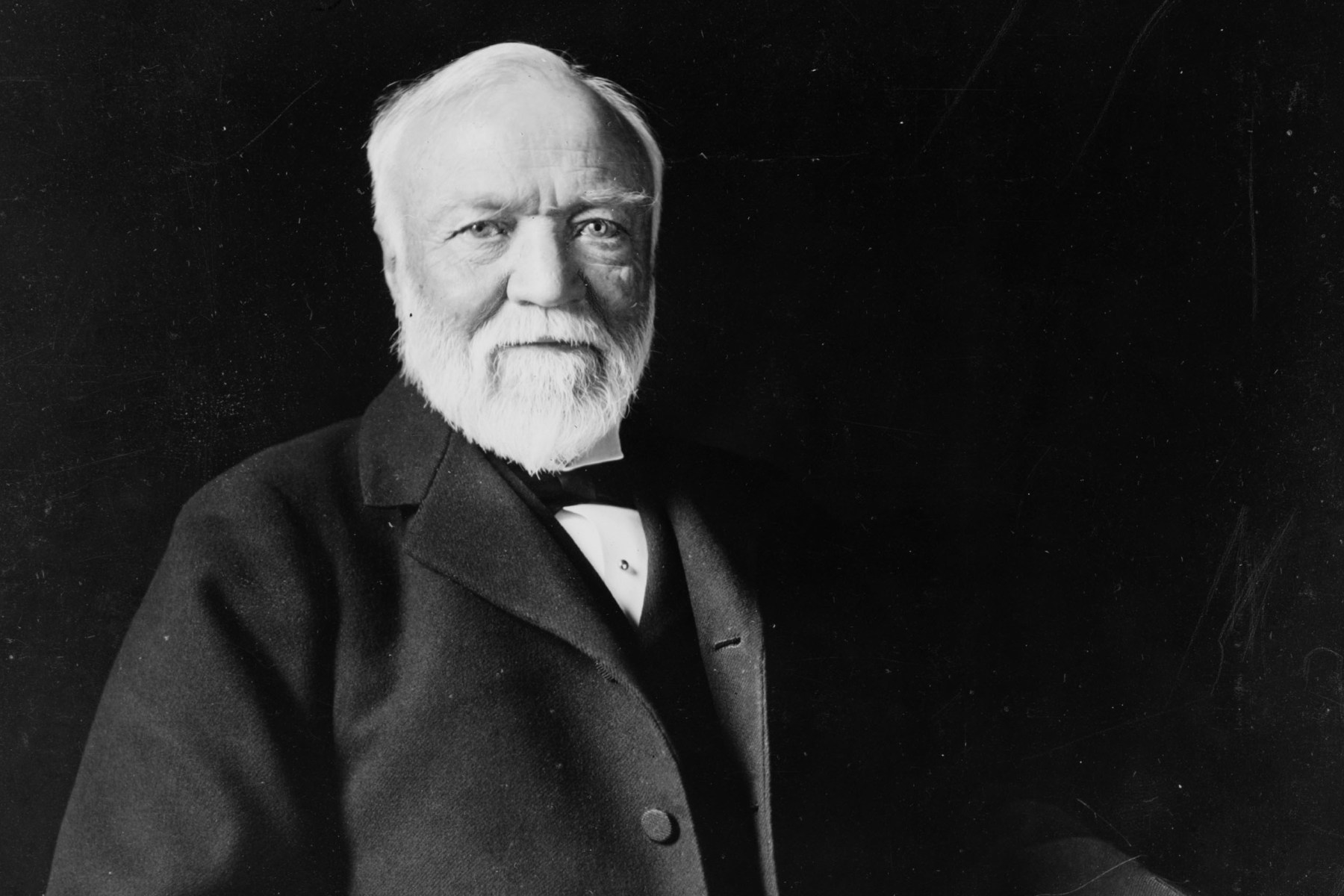
“Here lies a man who knew to enlist in his service better men than himself.”
This is how Andrew Carnegie, the (Scotland-born) U.S. steel magnate who gave away the vast majority of his fortune, wanted people to remember him. (Among other things, Carnegie’s money built 2509 libraries worldwide, founded or established large trusts at several universities, constructed Carnegie Hall in New York, and built The Peace Palace in The Hague). Carnegie wrote his epitaph himself, right before he passed away in 1919 (take a peek at this interesting piece The New York Times published at the time).
The words engraved on Carnegie’s tombstone intrigued me, so I decided to delve into his autobiography. What did this business leader, once the richest men on earth, consider to be the secret to his phenomenal success?
“The development of my material success in life”, he wrote, can “not be attributed to what I have known or done myself, but to the faculty of knowing and choosing others who did know better than myself.” (source: Autobiography of Andrew Carnegie).
Think about it.
Just like Carnegie you live in a time of relentless change, and are working hard to future-proof the company you lead. You know that your success not only depends on your own capacities and vision, but to a large extent on the effectiveness of your executive team as well. You need an executive team that thrives on openness and trust; a team that gets collaboration right, and creates a shared sense of focus and commitment throughout the organization.
You want to put together a top-notch team to help you lead the way. Who do you select? Let me share 3 lessons from Andrew Carnegie that might be of use to you:
1. Look for people better than yourself
Do you surround yourself with capable people whom you know and like? People you have worked with before, who look up to you maybe, who are eager to learn from you, will run the extra mile for you? It is maybe appealing to do this. But Carnegie’s strategy was different. He built a team comprised of people who knew steel and business way better than he did, and then set out to learn from them. By doing this he showed a great strength that still is a valuable example to leaders: he always put the interest of the company above his own interest, and he never let his ego get in the way of the success of his team.
It made me think of that other great leader who arrived in Washington unknown, and filled his cabinet with people far more educated and versed in politics than he was. People who initially looked down on him: Abraham Lincoln.
2. Create and stimulate diverse opinions
Do you have a preference for people who think like you do, have similar backgrounds, people you feel comfortable with? Or do you actively embrace diversity and make sure your team, and teams throughout your organization, reflect diversity in age, gender, personalities, skills, business experience and – especially important in today’s business environments – cultural backgrounds?
A lack of diversity limits the ability of a species to adapt and change, Darwin taught us. If that is true for nature, could it be true for business too?
Consider these 10 reasons why diversity is good for business teams, as recently listed by Mike Myatt and Patricia Lenkov in Forbes:
- It reflects the real world – something every company should be sensitive to.
- Healthy debate can lead to better decisions.
- Divergent backgrounds mean tackling the same idea in differing ways.
- Great ideas come from disruption of the status quo.
- Your clients and customers are diverse.
- This can make your company knowledgeable and sensitive to a wider variety of groups.
- Counsel from a variety of authorities is sensible.
- Setting an example at the top will hopefully have a trickle-down effect within the organization.
- Improved reputation and brand.
- A variety of backgrounds can make the company more adaptable to its ever-changing environment.
3. A genuine will to learn from the people you lead
A third thought to conclude. Hiring people who know better than you, investing in diversity: none of this makes sense if it doesn’t come with the genuine WILL to listen and learn from people you lead. Especially in times of change, when stress and anxiety increases, it is tempting to tell others to listen to you and to do as you say. But by doing that you run the risk of neglecting the potential power and energy in your team that you could have unlocked if you would have listened to them better.
In Carnegie’s own words:
“I did not understand steam machinery, but I tried to understand that much more complicated piece of mechanism — man.”
Are you leading a successful executive team? Why not share your experiences below, including any tips or checks, which executive leaders should make when selecting the right people to their teams.
Co-Author: Hanneke Siebelink
Did you value this article? Feel free to share it with others! If you want to receive upcoming LeadershipWatch articles and news in your mailbox simply register at the top of this page. Your personal information will be kept strictly confidential. Photo: Monrovia Public Library/Flickr (Creative Commons)___________________
Aad is a global business advisor, change leader, senior executive team facilitator, leadership coach, and frequently asked keynote speaker. He is founder and managing partner at HRS Business Transformation Services where he works with executives and leadership teams globally in three key domains: ‘leading complex change’, ‘cross-cultural leadership’, and ‘post-merger integration’. Find out more about Aad and HRS’ services. If you would like to invite Aad to your organization feel free to contact him here.
How Successful Cross-Cultural Leaders Work

How to Boost Your Cross-Cultural Leadership Skills
25 years ago I started my career as a leadership consultant. From the start I was fascinated by how leaders can boost a company’s success by stimulating successful collaboration between people from different cultures. At first my work was mainly at national level dealing with local cultural differences, but soon I began to work for clients abroad and was confronted with international cultural differences.
I vividly remember my first international job, for a French client, and how a feeling of discomfort overwhelmed me during one of the first meetings. Not being able to speak my own language was one thing, but what confused me most was the fact that even if I understood what they were saying I still couldn’t be sure whether I really understood what they meant. Apparently there was a whole world of cultural differences apart from language and habits.
Language and habits are observable, can even be amusing to experience, but there is a deeper and more fundamental level of culture. A level that reveals how we deal with values, beliefs, and norms; a level that is formed by our history, educational system, and social environment. Being confronted with this deeper level can put you out of your comfort zone, making you uncertain on how to interpret and value what you observe and hear. I remember how it impacted my feeling of self-confidence, my trust in others, and my level of comfort to openly share my thoughts and ideas.
Learning to understand and getting comfortable with this deeper level of a culture that is not your own requires a certain mindset. A mindset that can significantly improve your effectiveness in cross-cultural settings.
Later when I also began to work with Asian cultures this cross-cultural mindset proved its value various times. It showed me that if you really want to come to successful relationships and collaboration you have to be able to reach this deeper level and find effective ways to reconcile the cultural differences you perceive.
We see every day how globalization has a significant impact on companies, and how leaders are increasingly facing cross-cultural challenges, particularly where East meets West. It is clear that in today’s business reality there is a strong business case for strengthening your cross-cultural competency as a leader.
Intrigued by the challenges I encountered working with executives and leadership teams in cross-cultural situations, I decided to investigate existing literature and leadership programs on developing cross-cultural competencies. I discovered that most materials rather focus on cultural differences in habits and customs, and on how to adjust to these in order to ‘fit in’.
But your effectiveness depends not just on how well you can fit in another culture. It depends much more on how well you can create effective relationships based on mutual understanding, despite cultural differences.
Academic books and programs, on the other hand, generally offer data and explanations of cultural differences and their background, but lack the hands-on advice and support on how to create successful collaboration in real life business situations.
What I looked for was a short and practical program going beyond ‘how to introduce yourself at a reception’, ‘how to address your audience’, or ‘how to behave at a karaoke party’.
A program sharing key insights and real-life observations about how successful cross-cultural leaders work, and what it is that differentiates them from other leaders.
A program that doesn’t try to box the complexity of your business reality into simplified stereotypes, but offers you a ready-to-use compass, giving you direction in cross-cultural business situations, helping you to navigate easier, and to strengthen your cross-cultural leadership skills.
A compact program filled with valuable business cases, tips and insights that you can apply at all times in your daily work and life.
I could not find such a program, and therefore decided to create it myself. I created two compact and interactive programs together with Hanneke Siebelink and called them the Cross-Cultural Booster Programs.
Some of the questions the Cross-Cultural Booster Programs will help you answer:
- How do you move people from ‘knowing we are different’ to ‘knowing how to work together successfully’?
- How to create openness and trust between team members, despite cultural differences?
- Which key leadership traits foster your cross-cultural competence?
- How can you turn cultural differences into strengths?
“Tell me and I forget. Teach me and I remember. Involve me and I learn”, Benjamin Franklin once said.
The Cross-Cultural Booster Programs want to do just that.
 Aad is a global leadership advisor, change leader, leadership team facilitator, executive coach, and frequently asked keynote speaker. He is founder and managing partner at HRS Business Transformation Services where he works with executives and leadership teams globally in three key domains: ‘leading complex change’, ‘cross-cultural leadership’, and ‘post-merger integration’. Find out more about Aad and HRS’ services. If you would like to invite Aad to your organization feel free to contact Aad here.
Related articles
- 3 Good Reasons For Boosting Your Cross-Cultural Leadership (leadershipwatch-aadboot.com)
- 7 Top Insights for Leading East-West Business Teams (leadershipwatch-aadboot.com)
- Leadership: What is The Essence of Building Trust (leadershipwatch-aadboot.com)
3 Good Reasons For Boosting Your Cross-Cultural Leadership

Why is cross-cultural leadership getting so much attention? Why is it important for today’s leaders to develop their cross-cultural effectiveness?
Let me tell you a story. It starts on a hot summer day in 2001 when the managing director of a family-owned company – let’s call him Paul – arrived in Hong Kong, flanked by his best lawyers.
He had worked with a Chinese partner firm for more than 30 years, much to his satisfaction, and now he had the opportunity to buy 25 percent of its shares. ‘We should set up a joint venture’, his lawyers had advised him, and Paul had rubbed his hands together with delight. He knew it was a brilliant business opportunity.
When he walked into the room where the joint venture talks were scheduled to take place, Paul frowned his eyes in disbelief. He had brought five of his own legal staff and hired local lawyers too. His Chinese partner had come to the talks without any lawyer present. The talks proceeded without problems, and wrapped up after just three negotiating sessions. Paul returned home a happy man. He had a very beneficial agreement in his pocket.
After some months, however, the Chinese partner ran into some of the legal consequences of the joint venture agreement. If he wanted to invest more than 100,000 USD, for instance, he needed Paul’s formal agreement. He did not like that. If he wanted to appoint a manager, he needed Paul’s blessing too – all in accordance with the terms of the agreement.
The relationship deteriorated.
‘This was a very difficult period for me’, Paul recounted what happened. ‘I needed my partner, who did 50 percent of my production. I was a very privileged customer. In the 30 years we worked together, we had really come to trust each other. And now the entire relationship suddenly seemed to be on thin ice. Somehow, my Chinese partner interpreted the joint venture agreement as a lack of trust from my side. What could I do? I wasn’t sure.’
How often do you think companies run into these type of situations? Entire business relationships suddenly turning sour, preferred suppliers and/or customers suddenly turning their backs on you, all because of cross-cultural misunderstandings and misinterpretations – in Paul’s case a disconnect between his universalist and rule-based approach (preference for legal agreements with clearly spelled-out rules) and the relationship-centered approach (you are not a legal entity but my friend) of his Chinese partner? (find more here about this culturally determined difference)
Much too often, in our experience.
1. Millions of dollars can be suddenly at stake because of unexpected, and often unintentional, cultural misunderstandings. That’s the first good reason for examining and sharpening your own cross-cultural leadership skills. Today’s business leaders increasingly face challenges that are directly related to cross-cultural differences. If you are able to reconcile these differences you can accelerate success. If you don’t, unexpected behavior, resistance and conflicts could seriously hinder your success.
There are more good reasons for boosting your cross-cultural leadership.
2. Your ability to move people from ‘knowing we are different’ to ‘knowing how to work together, despite cultural differences’ is crucial to building successful collaboration across cultures and companies. Research shows that this in turn increases creativity and innovation (see Harvard Business School’s Roy Chua)
And there is a third reason. Recent investment figures show that more and more western multinationals are shifting their centers of gravity towards Asia (see McKinsey report on this). And mergers and acquisitions are starting to take place in the reverse ‘from East to West’ direction too.
3. Chances that you will, somewhere along the road, have to lead people and teams from cultures that are not your own have never been as high. Your ability to lead, motivate, and inspire people across cultures is no longer a ‘nice to have’, but has become a crucial competency for leaders in today’s international business environment.
By the way, Paul’s story ended well. After a long period of reflection, he advised his board to give up the joint venture, which they grudgingly agreed to in the end (‘I was quite lucky that my board followed my advice’). ‘Better off without a joint venture, but with a happy partner,’ Paul concluded. Trust between the parties was restored. The relationship with the Chinese partner is currently as strong as ever.
Click here to check out our Cross-Cultural Leadership services
Hanneke is Research Partner and Writer at HRS Business Transformation Services, and author of several books. One of her fields of expertise is studying leaders and the way they lead change in cross-cultural environments, with a special focus on China and East-West relations. She is also an experienced manager of book projects for companies and organizations. Find out more about Hanneke and HRS’ services. If you would like to invite us to your organization feel free to contact us here.
Related articles
- 7 Top Insights for Leading East-West Business Teams (leadershipwatch-aadboot.com)
- How Successful Cross-Cultural Leaders Work (leadershipwatch-aadboot.com)
- Cross-Cultural Leadership: How to Avoid Making People Lose Face (leadershipwatch-aadboot.com)
- Leadership: What is The Essence of Building Trust (leadershipwatch-aadboot.com)
- Cross-Cultural Leadership: Jacques Rogge on Negotiating with the Chinese (leadershipwatch-aadboot.com)
Leadership: What is The Essence of Building Trust

Being able to build trust is regarded as a crucial element of successful leadership. Especially in today’s globalized business world with its high rate of change and its cross-cultural challenges. But what is the essence of building trust? What does it actually mean? How does it work? Why is it often so difficult to establish, but so easy to lose?
These days we hear and read a lot about the need for trust. Trust in politicians, trust in the financial sector, trust in emerging markets, trust in new business partners, etc. Apparently there is a tendency to believe that we nowadays suffer in many areas from a lack of trust, and that it needs to be restored. We hear leaders say ‘we need to have more trust in each other if we want to create a successful future’.
Of course, for organizations, its people and teams, it is absolutely vital to have trust in each other in order to create successful collaboration and business results. But for leaders it is important to understand what building trust boils down to. In this regards I’d like to challenge a persistent assumption about building trust: the assumption that a lack of trust is bad and that having more trust is good. Is this really the case?
Do we really need to have more trust between people, or do we need to increase something else?
In my work over the years with leaders and their teams all over the world I have witnessed many situations where trust was declining, in the leadership, between people or groups. In many of these situations the decline of trust was actually necessary. It would have been wrong and even dangerous for the company to keep trust under the current situation. To put it differently, I have seen as many situations where a company gets into serious trouble because of blind trust between people for too long, as I have seen companies getting into trouble because of too little trust in each other for too long.
Apparently the amount of trust itself is not the essence, but the reasons why we trust someone. Not so strange. You would probably not teach your children to trust anyone, you would probably teach them when to trust someone and why.
We have specific sensors that scan whether or not we can trust someone. We use these sensors actively and subconsciously, when we’re in a meeting, when we have a one-on-one, when we read an email, when we watch an interview on TV, when we read the newspapers.
What do our sensors scan? They do not scan for trust! They scan for trustworthiness!
If you want to build trust as a leader, you have to be trustworthy.
I observe many leaders who regularly step into the pitfall of emphasizing the importance of building mutual trust, without paying sufficient attention to trustworthiness and how others perceive that.
Now, the question is of course ‘What is trustworthiness?’ How can we define it?
I like to use the three ingredients Onora O’Neill uses to define trustworthiness: Reliability, Competence, and Honesty. I translate these three as follows (in my own words):
1) Reliability
Do what you say you would do. Stick to agreements. Show your commitment by your actions.
2) Competence
Be competent in the matters at stake. Know your strengths and weaknesses, and be open about it. Don’t overestimate your competence.
3) Honesty
Tell the truth. Don’t lie. Distinguish fact from perception.
These three ingredients provide a powerful checklist for leaders and their teams. It can facilitate an open discussion with each other about the perceived level of trustworthiness and its effect on mutual trust. And be careful: for leaders of cross-cultural teams it is important to be sensitive to the different ways these three elements can be perceived across cultures (read more here about how to build trust in cross-cultural teams, and how misinterpretations of dishonesty can hinder teams).
Successful leaders understand that building trust depends heavily on establishing trustworthiness in the behavior and actions of everybody involved. Starting with their trustworthiness as a leader.
“When in doubt, tell the truth.” – Mark Twain
What is your experience with building trust and trustworthiness? Please share your thoughts with us.
Did you value this article? Share it with others by using #LeadershipWatch. If you want to receive upcoming LeadershipWatch articles and news in your mailbox simply register at the top of this page. Your personal information will be kept strictly confidential. Photo: TerryJohnston/Flickr (Creative Commons)___________________
Aad is a global leadership advisor, change leader, leadership team facilitator, executive coach, and frequently asked keynote speaker. He is founder and managing partner at HRS Business Transformation Services where he works with executives and leadership teams globally in three key domains: ‘leading complex change’, ‘cross-cultural leadership’, and ‘post-merger integration’. Find out more about Aad and HRS’ services. If you would like to invite Aad to your organization feel free to contact him here.…
Cross-Cultural Leadership: Jacques Rogge on Negotiating with the Chinese

Jacques Rogge, Honorary President of the International Olympic Committee (IOC), speaks with a surprisingly soft voice. I had the chance to meet him last week, when he – invited by The Antwerp Forum – shared his insights on ‘How to Work with the Chinese.’ A man who led the IOC for twelve years and co-organized the Olympic games in Beijing must have solid cross-cultural advice to share, I thought. Rogge did not disappoint. What really struck a chord with me was Rogge’s observation that – no matter how many top advisors you add to your negotiating team, no matter how many China books you read – it is the direct contact with your Chinese counterparts that teaches you the most. ’There is no substitute for that’, he said. Developing cross-cultural leadership skills is, more than any other thing, a people business.
So what should westerners be aware of when working with the Chinese? Three key things, according to Rogge. In his own words:
1. The Asian emphasis on finding a win-win
‘Win-win’ is not a concept only known in China. In every negotiation, you want to look for a win-win, and that goes for both the Western and the Eastern business world. But in Asia, I find, there is more emphasis on reaching a win-win situation. This has to do with the great respect that Asians have for each other. They always want people to save face (read more about the concept of losing face in Asia), so reaching a win-win situation is a specific goal for them.
It is a matter of respect. When you are negotiating, both parties should benefit from it, and you have to show respect for your counterpart. Showing respect is a quality that we all have, but a quality in which Asian and Chinese people excel to such a degree that it becomes important for us to be aware of it.
2. The collectivity of the decision-making process
Organizing the Olympic games is a very political issue in any organizing country. So we had to deal with political power in China whenever we had negotiations to conduct. I quickly learned that decisions in China were taken at the highest level: the standing committee composed of nine people. They decided everything. Our questions would go all the way up to the level of the standing committee. After a while, not too long, the reply would come. And then the implementation would be flawless. This is something special, at least for me it was. In China, decision-making can take some time, but implementation is immediate.
3. Time
Time is valued differently in Asia and in China than it is in the West. We tend to have a linear view of time, and like to map out change processes upfront, using strict deadlines.
It’s not like that in Asia. In China, time is important, but the past time, what has happened in the past, is equally important and a basis for the future. They tend to see time as a circle and focus on the continuity of things. You have to take that into account (read more about this difference in time orientation).
Of course when organizing the Olympics in Beijing, taking account of this difference in time valuation was not always easy. The preparation of the games takes seven years, and there are deadlines and goals to achieve. This means a contract is signed between the host country, the host city, the organizing committee, and the IOC. The milestones and deadlines are spelled out in that roadmap, because we want to be sure that everything is finished on time.
I must say, and I commend the Chinese partners for that: in the end they were ahead of schedule. It shows the flexibility of the Chinese partners. They finished the venues on time, and not only on time but way ahead of time. When we realized the Chinese were running ahead of schedule, we had to ask them to slow down. This only goes to show: what happens on the ground is not always what the textbooks tell you.
What do you take away from Jacques Rogge’s experience?
· Do you recognize the 3 aspects he describes?
· How do you create win-win situations? When you are confronted with another culture, what do you change in your behavior to reach a win-win?
· How do you deal with a collectivistic decision making process? To what extent do you adjust your role in such a process?
· How do you reconcile a linear time perspective with a more cyclic time perspective?
What topics from your own experience would you add to the list of Jacques Rogge? Share your comments with us.
Did you value this article? Share it with others using #LeadershipWatch. If you want to receive upcoming LeadershipWatch articles and news in your mailbox simply register at the top of this page. Your personal information will be kept strictly confidential. Photo: familymwr/Flickr (Creative Commons)___________________
Hanneke is Research Partner and Writer at HRS Business Transformation Services, and author of several books. One of her fields of expertise is studying leaders and the way they lead change in cross-cultural environments, with a special focus on China and East-West relations. She is also an experienced manager of book projects for companies and organizations. Find out more about Hanneke and HRS’ services. If you would like to invite us to your organization feel free to contact us here..
 LeadershipWatch